
Unveiling the Hidden Life of Coral Reefs: The Microbial Connection
Introduction: The Surprising Role of Reefs
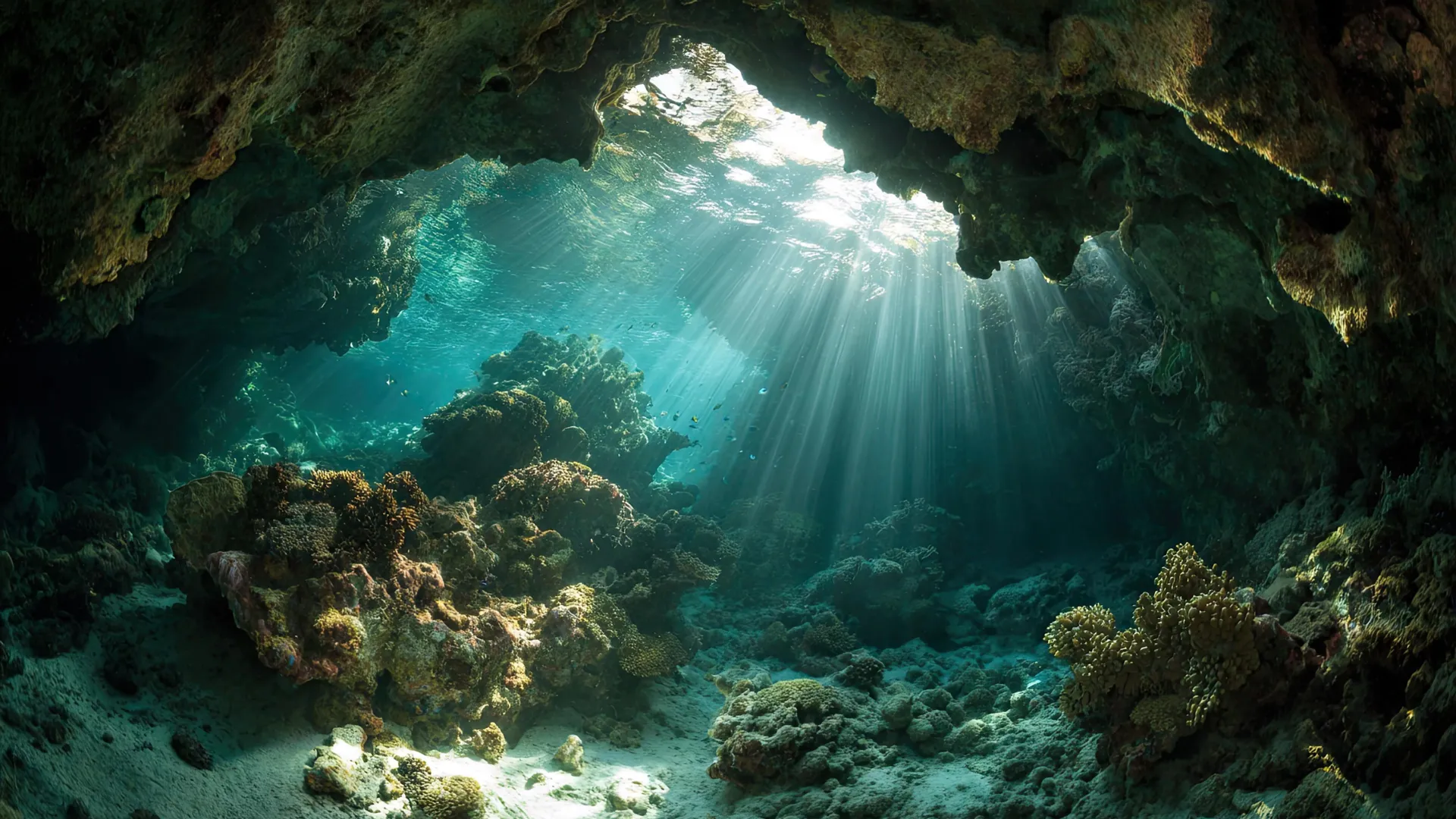
Coral reefs aren’t just the vibrant underwater worlds we often see in documentaries. New research shows they’ve got a vital job regulating microscopic life in our oceans. Often referred to as “the rainforests of the sea,” these ecosystems are teeming with life, but their influence stretches far beyond the stunning fish and corals we can easily see. Just beneath the surface, a bustling community of microbes is thriving—and they’re more important than you might think.
Recent findings published in Science Advances reveal that coral reefs significantly shape the timing and composition of these tiny organisms. Imagine a bustling city where every neighborhood has its own rhythm, changing from day to night. That’s what’s happening in the waters around coral reefs. Scientists dug deep into this microcosm, showing that the subtle shifts during a single day can tell us a lot about reef health.
The Study: A Deep Dive into Microbial Life
Led by Dr. Herdís G. R. Steinsdóttir from the Hebrew University of Jerusalem, and assisted by an experienced team, researchers took to the northern Gulf of Aqaba in the Red Sea. Their mission? To analyze the goings-on in the waters above a coral reef and compare it to nearby open waters, checking both winter and summer samples.
With meticulous sampling every six hours, they uncovered patterns that had flown under the radar until now. It turns out that the abundance and diversity of microscopic life can shift dramatically throughout the day—something that has huge implications for understanding the health of coral reefs.
Dr. Miguel J. Frada, one of the study’s leaders, emphasized the reef’s active role: “We found that the reef is not just passively surrounded by microbes. It actively structures microbial life in time, creating daily patterns that repeat across seasons.” This insight is like finding a new beat in an old song—unexpected but crucial for the ecosystem’s overall symphony.
The Rhythm of the Reef: Tracking Daily Changes
So, what did the researchers actually find? As they tracked microbial populations, a surprising reality emerged: waters above the reef had fewer bacteria and microalgae than the surrounding areas. This observation led to one undeniable conclusion—something is actively removing these organisms.
But what? The answer lies in the complex food web established by the reef itself. The researchers noted a marked increase in the population of heterotrophic protists, which feed on bacteria, particularly at night. In fact, their numbers soared by 80% after sundown, illustrating that predation plays a vital role in these daily changes.
One highlight was the behavior of Symbiodiniaceae, tiny dinoflagellates that form symbiotic relationships with corals. Their populations peaked around midday, suggesting a correlation with sunlight and the metabolic activities of coral. Dr. Steinsdóttir pointed out that these daily microbial rhythms could sometimes be even stronger than seasonal differences, signifying that time of day is crucial when studying these communities.
Implications: What It Means for Reef Health
These findings have significant implications. For one, monitoring these daily microbial rhythms could become a powerful tool for assessing reef health. As we face ongoing environmental changes, understanding the microbial landscape is essential for conserving coral reefs—one of our planet’s most vital ecosystems.
Dr. Frada raised an important point: “These daily patterns could serve as sensitive indicators of how reefs function.” Every fluctuation in microbial life could signal broader changes within the reef, giving scientists a more in-depth understanding of these delicate systems.
Real-World Connections: Why Coral Reefs Matter to Everyone
Now, you might be wondering—why does this matter to me, or to the average person enjoying their summer vacation at the beach? Beyond their beauty and the bounty of marine life they support, coral reefs are essential to our planet’s health. They protect coastlines from storm surges, provide habitats for countless species, and even support local economies through tourism and fishing.
As climate change threatens these ecosystems, studies like this one shed light on what we can do to mitigate damage. By understanding the small shifts in microbial life, we can better protect these great underwater cities.
Looking Ahead: The Future of Coral Research
While this study revealed exciting new insights, it also opens the door for further research. What other hidden stories do coral reefs have to tell? As more scientists hone in on these microbial rhythms, we could uncover even more about the intricate dance of life that sustains not just the reefs themselves, but also the world beyond them.
Imagine walking along the beach and feeling a connection to the living network beneath the waves. Each handful of sand could represent a community of organisms quietly working to maintain the balance of life. The more we learn about these interactions, the better equipped we’ll be to protect them.
Conclusion: A Call to Action
So what’s the takeaway from this research? Understanding the complex roles of coral reefs isn’t just for marine biologists; it’s a story that involves us all. As stewards of the planet, we need to foster a deeper respect for these ecosystems and advocate for their preservation. Coral reefs may be hidden beneath the waves, but their impact resonates throughout our world.
The next time you dip your toes in the ocean, remember that just below the surface lies a vibrant community of life—dependent on the rhythms of coral reefs, and ultimately, on our understanding and protection. It’s a reminder that every small detail matters in the grand tapestry of our planet’s health, urging us to listen closely to the stories the oceans have to share.