
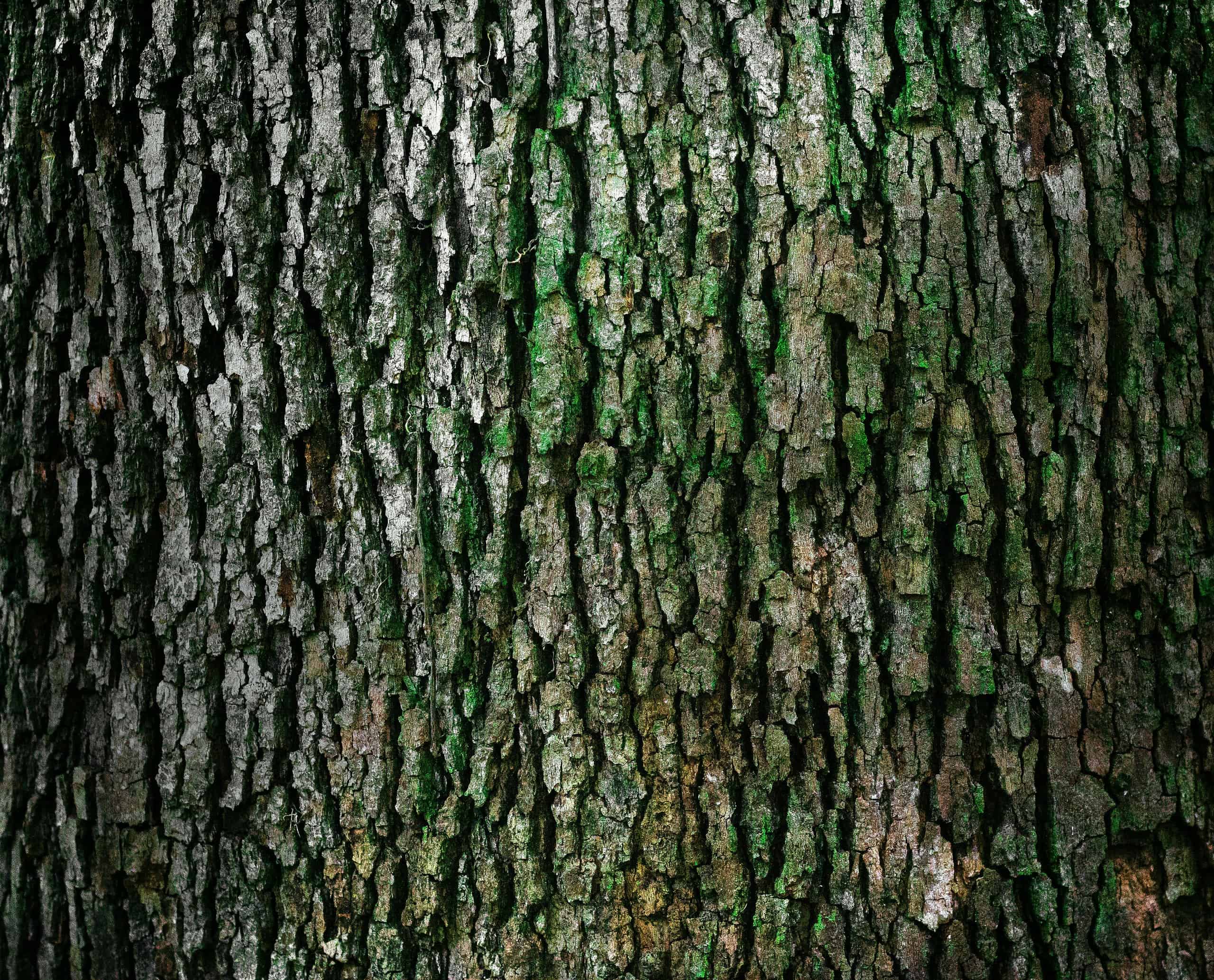
Discovering the Hidden Heroes of Climate Change: The Microbes Living in Tree Bark
Trees are often celebrated as nature’s superheroes. With their towering branches and sprawling roots, they absorb carbon dioxide, release the oxygen we breathe, and fight against climate change. But what if I told you that within the bark of these trees exists an entire universe of tiny organisms working tirelessly to protect our atmosphere?
Recent groundbreaking research has revealed that these microorganisms—not just the trees themselves—play a crucial role in purifying the air we breathe and reducing harmful greenhouse gases. Let’s delve into this fascinating discovery.
Teeming with Life: The Microbial Universe
Picture this: one square meter of tree bark can host up to 6 trillion microbial cells. That’s a staggering number, equating to the stars in about 60 Milky Way galaxies squeezed onto a surface the size of a small table. For years, scientists assumed tree bark was mostly inert when it came to climate regulation. However, the collaborative research between Southern Cross University and Monash University is flipping that notion on its head.
Over five years, researchers studied the bark of various Australian tree species, uncovering that it’s bustling with microscopic life. The team used a technique called metagenomic sequencing to analyze the DNA of these microorganisms. This is essentially like reading the entire library of microbial DNA in one go instead of just one book at a time. What they found was astonishing: many of these microbes have the unique ability to utilize gases such as methane, carbon monoxide, and hydrogen for their survival.
Bark Microbes: Atmospheric Cleanup Crew
You might be wondering, why does this matter to you? Well, methane is a powerful greenhouse gas contributing to about one-third of human-induced warming. The research showed that wetland trees host specialized bacteria known as methanotrophs, which consume methane from the atmosphere.
In addition, these bark microbes are equipped with enzymes that remove carbon monoxide—a toxic gas for both humans and animals—from the air, effectively cleaning the air we breathe. This is especially crucial in urban areas where levels of this odorless gas can be particularly high.
But here’s the highlight: in every tree species studied, across every forest type and at varying heights, these microbes consistently removed hydrogen from the atmosphere. This crucial function hints at a global natural system for mitigating hydrogen levels—a gas often overlooked in climate discussions.
Scaling Up: Global Impact
Now, let’s take a step back and think big. There are approximately 3 trillion trees on Earth, and together their bark offers a colossal cumulative surface area. This vast “barkosphere” is more than just a habitat for microbes; it’s a powerful player in global climate dynamics.
The team estimated that these bark-dwelling microbes could collectively remove as much as 55 million tonnes of hydrogen from the atmosphere each year. This is significant because hydrogen emissions can influence the lifespan of other greenhouse gases, particularly methane. In fact, it’s suggested that these tree-bark microbes may offset up to 15% of annual methane emissions, directly contributing to reducing the greenhouse effect.
Imagine if we could harness this potential further—by planting more trees, we could expand this microbial “cleanup” capability, which could lead to more effective air purification on a global scale.
The Power of the ‘Barkosphere’
The researchers call this hidden realm the “barkosphere,” and it’s becoming clear that it holds many unknown secrets. They aim to learn which tree species harbor the most effective gas-eating microbes and how different ecosystems can enhance or diminish this natural service.
Measuring the impact of climate change on these microbial communities is crucial for future conservation and reforestation efforts. We could be looking at a new strategy for climate action—one that embraces the tiny but mighty organisms living in the trees we often take for granted.
Why This Discovery Matters
As someone who’s always appreciated the beauty of a leafy canopy, I find this research both enlightening and hopeful. Trees have long been recognized as essential to our planet’s health. Still, learning about the intricate relationships between trees and their microbial companions enhances our understanding of their role in mitigating climate change.
This isn’t just an academic discovery; it has real-world implications. The more we understand about the barkosphere, the better equipped we’ll be to harness these findings for climate action.
A Call to Action
So, what can we do with this newfound knowledge? It’s simple: plant more trees. Support local reforestation projects, or even start your own initiative. Every seed planted contributes to a larger solution.
As we face an ever-growing climate crisis, it’s vital to embrace every possible avenue. The microbes in our trees could be key players in the fight against climate change. Next time you stroll past a tree, remember: it’s not just a trunk and branches. Beneath that rough bark is a bustling world ready to help cleanse our atmosphere, one gas molecule at a time.
In a world where nature is often seen as both vast and detached, this discovery makes it personal. It’s a reminder that the health of our planet relies on both grand natural systems and the smallest forms of life quietly working to make a difference.