
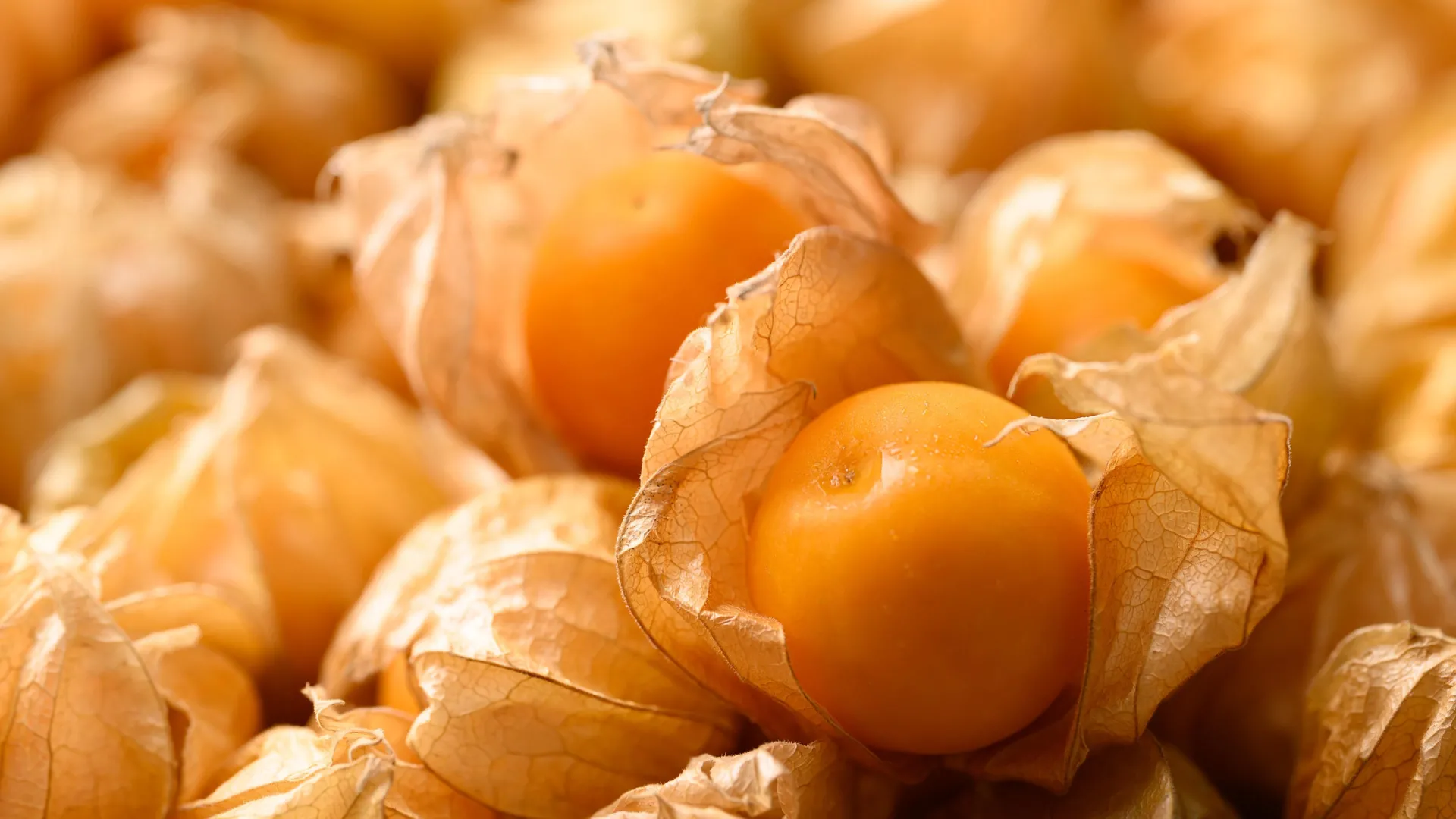
Revolutionizing Agriculture: How CRISPR is Transforming Goldenberries
For over 10,000 years, farmers have been perfecting their techniques, saving seeds from the best plants to cultivate crops with exceptional flavor, size, and durability. This method of selective breeding has shaped the vast array of fruits and vegetables we find in grocery stores today. But a groundbreaking approach is emerging, promising to speed up this process dramatically. Researchers at Cold Spring Harbor Laboratory (CSHL) are taking agriculture into the future with a little help from a game-changing tool: CRISPR.
The Goldenberry: A Fruit with Potential
Plant biologists at CSHL have turned their attention to a lesser-known fruit called the goldenberry, a cousin of tomatoes. This small fruit is already making waves in the culinary world thanks to its delightful balance of sweet and tart flavors. While goldenberries are primarily grown in South America, they’re beginning to catch on in U.S. markets, tantalizing adventurous eaters who are constantly searching for new flavors and nutrition-packed options.
However, farming goldenberries isn’t easy. They tend to be large, sprawling plants that present challenges for mass cultivation. “These massive, sprawling plants… are cumbersome for harvest,” said Miguel Santo Domingo Martinez, a postdoctoral researcher in the Lippman lab. This presents a problem: while goldenberries are tasty and nutritious, they’re not currently suited for large-scale farming.
The Cutting-Edge Solution: CRISPR
Enter CRISPR, a gene-editing tool that’s shaking up not just agriculture, but biotechnology across the globe. With this technology, the CSHL researchers sought to create a more manageable version of the goldenberry plant without sacrificing its beloved flavor. The goal? Make it easier to harvest and more viable for farming operations.
Blaine Fitzgerald, a greenhouse technician in the Lippman lab, explains the transformative potential of CRISPR: “By using CRISPR, you open up paths to new and more resilient food options.” In an era facing climate change and a growing population, this innovative approach to crop development is crucial.
Shrinking the Plant, Retaining the Taste
Using past experiences where they successfully modified tomatoes and the closely-related groundcherry, the team zeroed in on specific genes in goldenberries. The result was significant—by editing these genes, they created goldenberry plants that were about 35% shorter. This reduction in height makes them more manageable for farmers; they can now plant them closer together, maximizing space and efficiency.
But a plant can’t just be smaller; it also has to taste good. To ensure flavor wasn’t compromised, Fitzgerald and the team engaged in some serious research. They meticulously sampled goldenberries from the fields, indulging in what Fitzgerald humorously called “eating hundreds of them, walking a field, and trying fruit off every plant in the row.” It’s this dedication to flavor that sets their research apart.
The Future of Goldenberries
After rounds of careful breeding, the researchers have developed two promising new goldenberry lines that strike a balance between compact growth and rich flavor. While the fruits may be slightly smaller, this isn’t seen as a drawback; rather, it’s a stepping stone. The team is already exploring further modifications, aiming to enhance size, flavor, and even disease resistance.
“Using modern tools to domesticate undomesticated crops is where we can see the real impact,” Santo Domingo noted, hinting at the myriad possibilities for future crops.
The next step in this journey is seeking regulatory approval that will allow farmers to access these new seeds and put them into production. If successful, we could see goldenberries thriving not just in niche markets but in supermarkets across the country.
What This Means for Farmers and Consumers
So why does this matter? What does it mean for everyday people? For farmers, it translates into more efficient cultivation practices and potentially higher profits from a beloved fruit that could soon grace more grocery shelves. For consumers, it’s not just about having access to goldenberries; it’s about increased biodiversity in our diets and new flavors to enjoy.
This CRISPR-fueled revolution could also pave the way for other crops to be enhanced for disease resistance and drought tolerance, something we desperately need in a world increasingly challenged by climate change. Imagine walking into your local store and finding a variety of fruits that have been tailor-made to withstand pests or thrive in less-than-ideal weather. It’s not just the future of goldenberries; it could be the future of agriculture itself.
The Emotional Connection
Growing up, I remember trying goldenberries for the first time at a farmers’ market. Their unique taste captivated me, but I also sensed the struggle farmers faced behind the scenes. The sheer effort that goes into growing crops can easily be overlooked by consumers, especially in an age where produce magically appears on supermarket shelves.
Now, with innovations like CRISPR, we may soon see a wave of fruits and vegetables that are not just easier to grow but are also better for our planet. It’s a reminder that farming isn’t just a science; it’s an art that requires balancing tradition with modern techniques to preserve and enhance the flavors we cherish.
The Road Ahead
As the CSHL team forges ahead with their research, one thing is clear: the agricultural landscape is shifting. Technologies like CRISPR can help us tackle future food shortages and push back against the limitations posed by climate change.
The beauty of this development not only lies in faster growth cycles and higher yields but also in the potential to keep our plates diverse and exciting. In a world that feels increasingly divided, food serves as a universal connector—an experience that invites us to taste and share new flavors together.
As we await the regulatory green light for goldenberries, let’s celebrate the innovations within agriculture and remain hopeful for the future. After all, who wouldn’t want their dinner plate to be a little more colorful—perhaps even a bit more golden?