
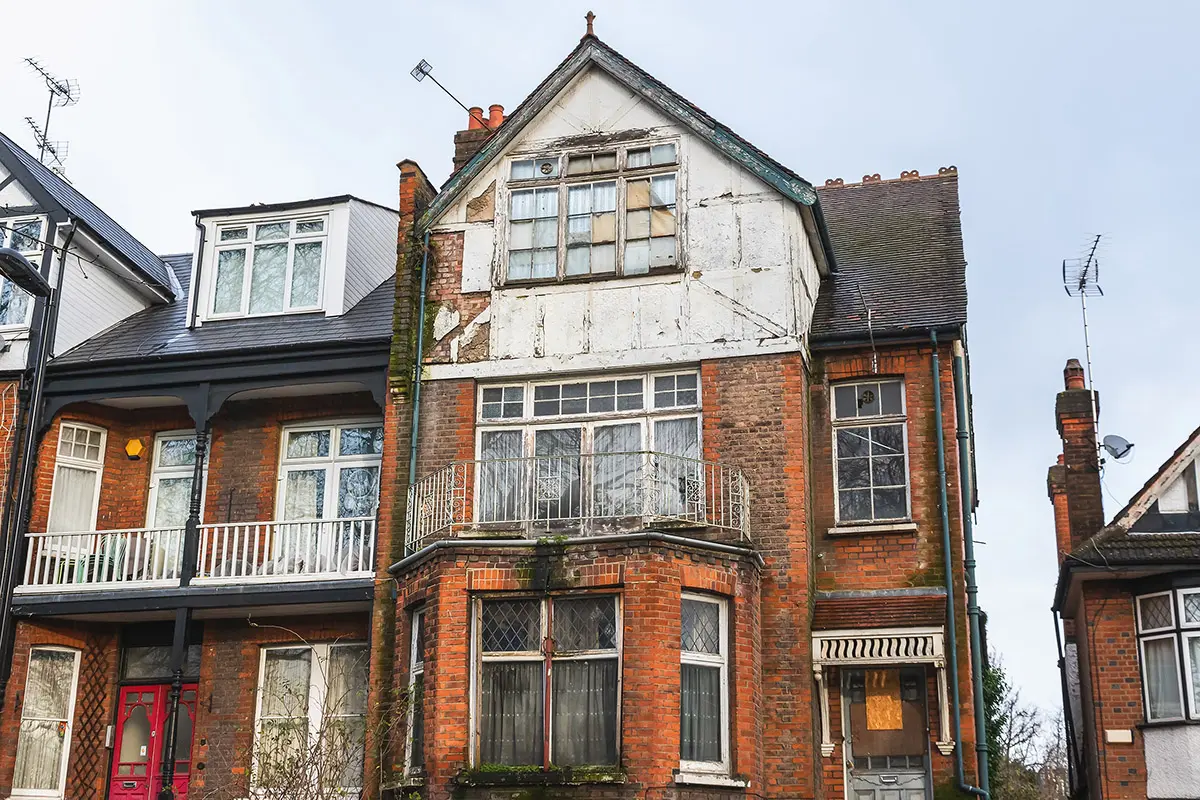
Tackling Empty Homes: Turning Vacant Properties Into Community Solutions
Have you ever walked past a derelict house and wondered why no one’s done anything with it? You’re not alone. Across England, there are roughly 750,000 empty homes, with about 300,000 sitting vacant for over six months. These numbers aren’t just statistics; they represent lost opportunities, dwindling neighborhoods, and rising housing needs. What if we could breathe new life into these empty spaces?
Recently, the Tackling Empty Homes Conference—held in December and supported by Action on Empty Homes—gathered experts, policy makers, and community leaders to explore this pressing issue. Their discussions revealed innovative strategies and powerful insights into reviving these long-forgotten properties.
What’s Happening With Empty Homes?
During the conference, Dr. Henry Dawson, a Senior Lecturer from Cardiff Metropolitan University, shed light on the tools and powers available to help local authorities manage empty homes. One key option is the Empty Dwelling Management Order (EDMO). This method allows local councils to take action on privately owned homes that have been unoccupied for a certain period. By doing so, they can secure and manage these properties, reducing the risk of decay and neighborhood decline.
Dr. Dawson emphasized that while enforcement tools exist, many local authorities lack the proper resources or training to utilize them effectively. “Overcoming these hurdles is critical,” he stated, as communities look for tangible solutions.
The Property Guardian Approach
Next on the agenda was Graham Sievers, Chairman of the Property Guardian Providers Association (PGPA). He offered a fresh perspective with property guardianship. This innovative approach allows individuals or couples to live in vacant buildings for a small fee in exchange for maintaining their security and upkeep.
Imagine getting a roof over your head at a significantly lower cost than traditional renting, while also contributing to community stability. That’s what property guardianship offers. It protects owners from vandalism and squatters while providing affordable housing options for those in need.
Sievers shared inspiring stories of guardians who found not only shelter but also a sense of belonging and community in these otherwise forgotten spaces.
A National Perspective
Some might wonder, is this just a local issue? Not according to Chris Bailey, the National Campaigns Manager at Action on Empty Homes. He pointed out that long-term empty homes are at their highest level since 2009, with a remarkable jump in numbers over the last year. “This isn’t just a problem in big cities; it affects all corners of the country,” he said.
The solutions, according to Bailey, aren’t simple. They require improved local authority powers, fresh partnerships, and innovative approaches. Tackling this multifaceted issue will demand creativity and collaboration at every level, from national policy down to local implementation.
The Social Housing Challenge
Another important voice at the conference was Sam Bloomer, a Policy Officer from Shelter. He identified the potential for addressing empty homes as a “win-win” scenario for everyone’s benefit, particularly in the face of declining social housing availability. The UK sees a net loss of social rented homes each year, which is alarming.
By activating empty homes for social rent, communities could both alleviate the housing crisis and enhance living conditions. It’s an approach that makes sense—turning one of our biggest challenges into a solution.
Local Success Stories
The conference concluded with insights from local authorities tackling these issues head-on. Claudia Bowring, the Empty Homes Officer at Rushcliffe Borough Council, shared her team’s work in reviving vacant properties in Nottinghamshire. Her heartfelt stories of families who found homes again in these revitalized spaces illustrated the real impact these efforts can have on a community.
Tom Davies, involved with the No Use Empty initiative in Kent, highlighted the success of their program in creating homes while also improving urban environments. “It’s not just about bricks and mortar; it’s about improving quality of life,” he stated passionately.
These local initiatives showcase the potential for turning policy into practice, breathing life back into communities, and providing homes to those in need.
What It All Means
By the end of the conference, there was a clear consensus: tackling empty homes is essential if we’re to resolve the current housing crisis effectively. Ian Andrews, who chaired the conference, echoed this sentiment, stating, “Bringing properties back into use supports local authorities and enhances our communities. It’s about finding meaningful solutions to ongoing housing challenges.”
But here’s the takeaway—this isn’t just about numbers and policies. It’s about people. Every empty home represents unfulfilled dreams and missed opportunities. Remember the last time you couldn’t find a place to live? Or perhaps you know someone struggling to make ends meet? These stories hit home, illustrating why we should all care about the fate of empty homes.
Why This Matters to Us
As we reflect on these critical discussions, it’s worth asking ourselves: what can we do as individuals to help? Advocating for local policy changes, supporting initiatives like property guardianship, or even just raising awareness in our communities can make a difference.
So the next time you pass by an empty house, don’t just think of it as a lost space. Consider the potential it holds—an opportunity for renewal, community, and hope. Every effort, no matter how small, adds up to real change in our neighborhoods.
Together, let’s transform these vacant properties into vibrant homes, enriching our communities and breaking the cycle of neglect. After all, we’re all part of the solution.